
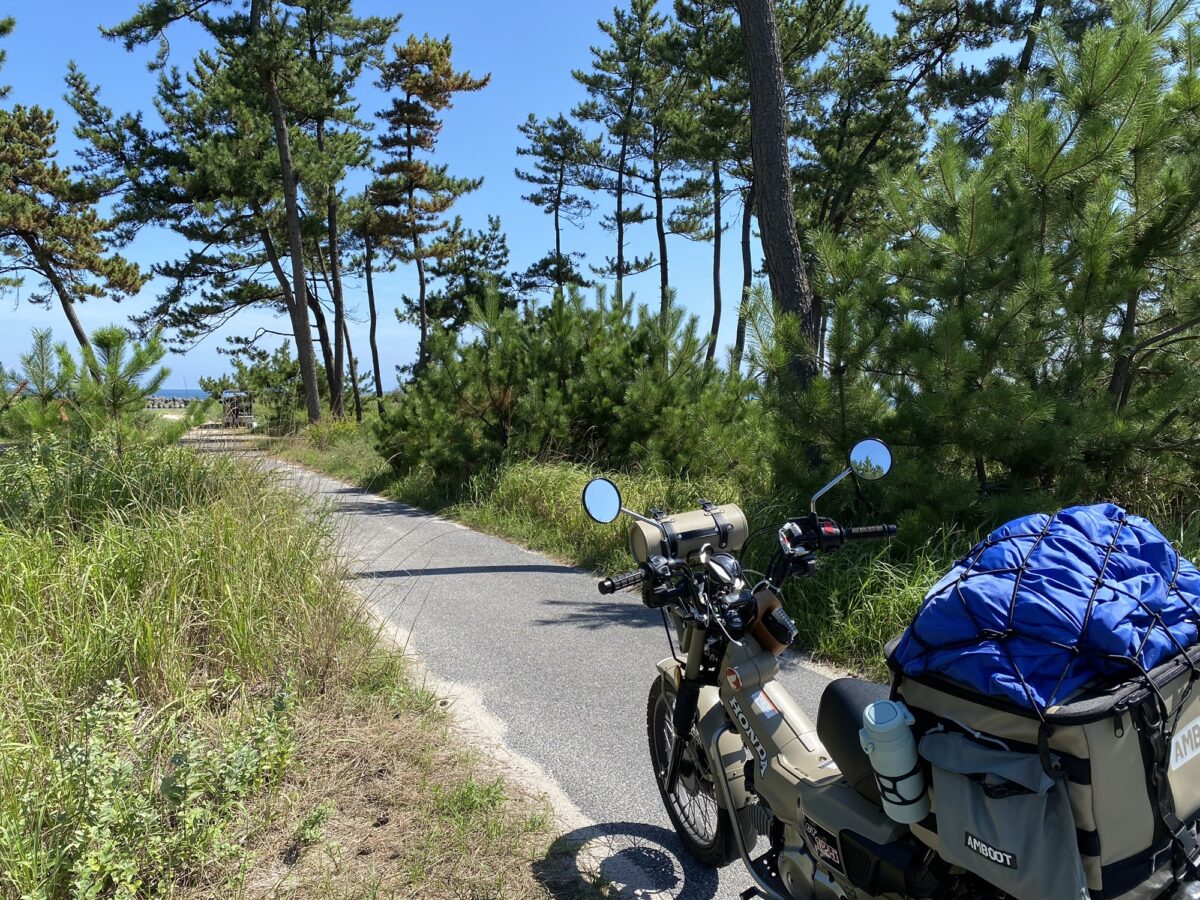
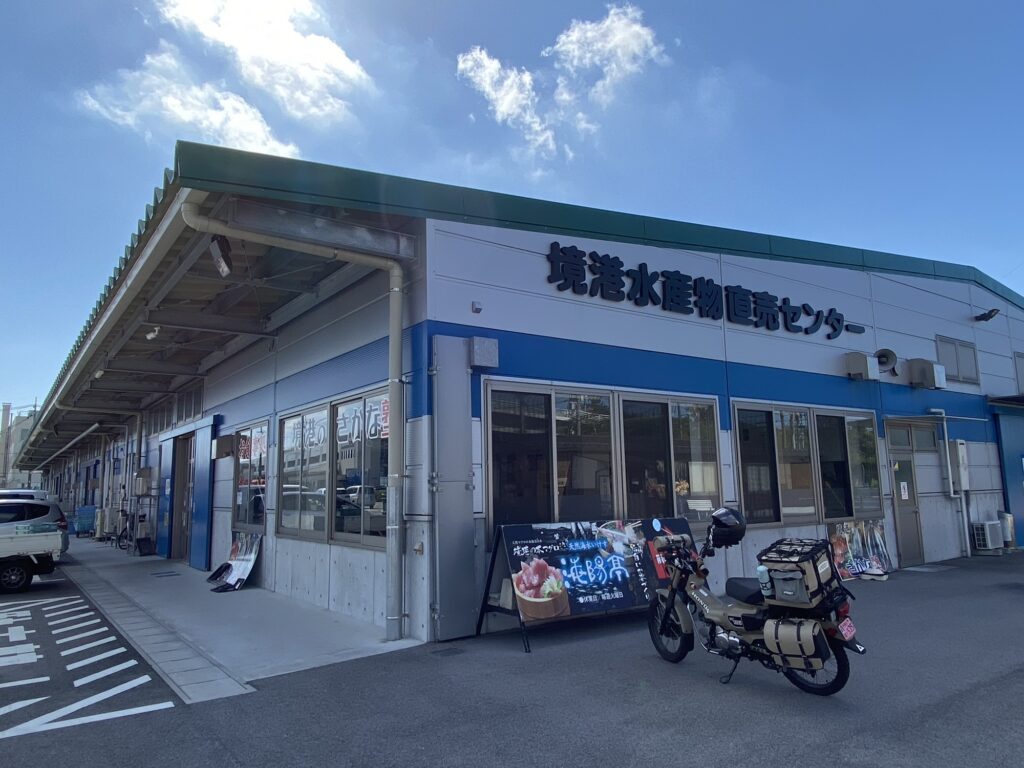
Today starts at the seafood stand with over ten shops in Sakaiminato.
I should get some souvenirs.
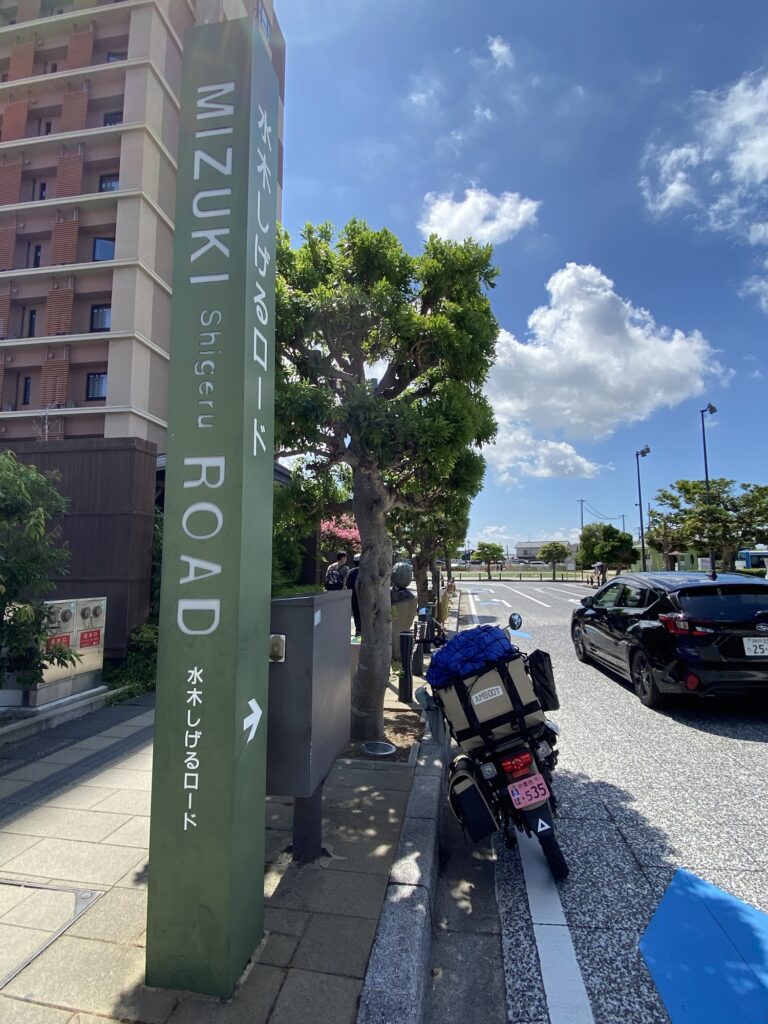
There’s no way I could come to Sakaiminato Port and not stop by. Statues of Kitaro and the other yokai. I had to leave quickly because parking on the street was difficult.
GeGeGe no Kitaro is a yokai manga by Shigeru Mizushima.
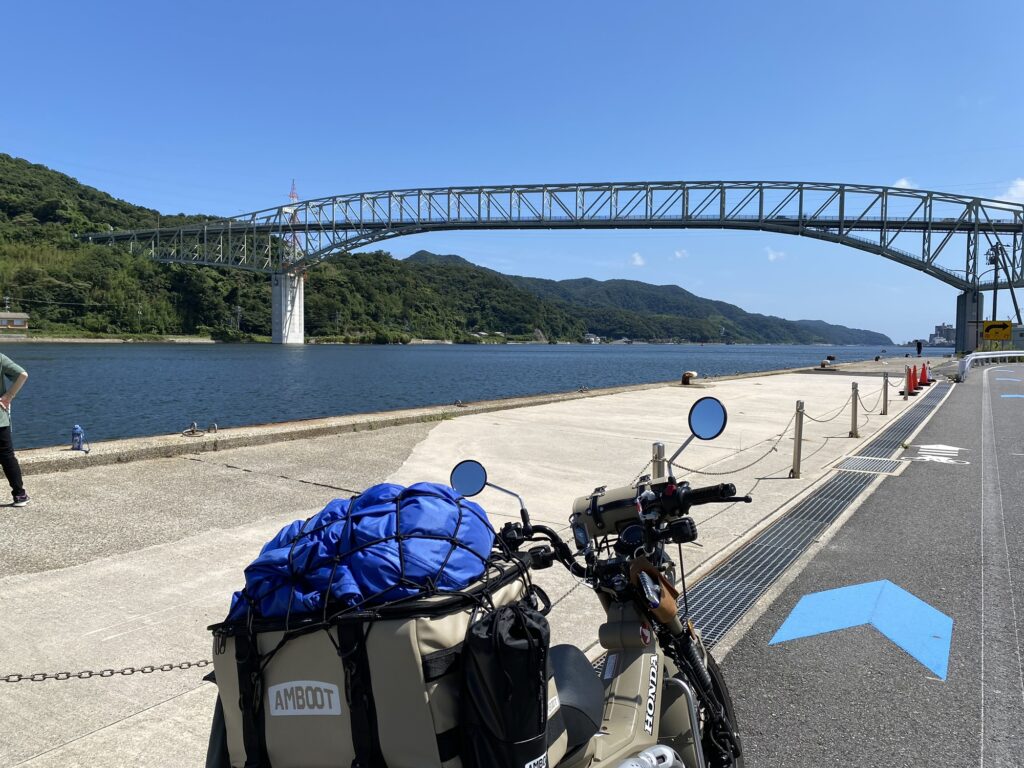
I splurged on some crab at the seafood stand in Sakaiminato.
To carry the crab, I moved the waterproof bag “RC-36” that held my change of clothes onto the Rear Box EX, and secured it firmly with the rubber net.
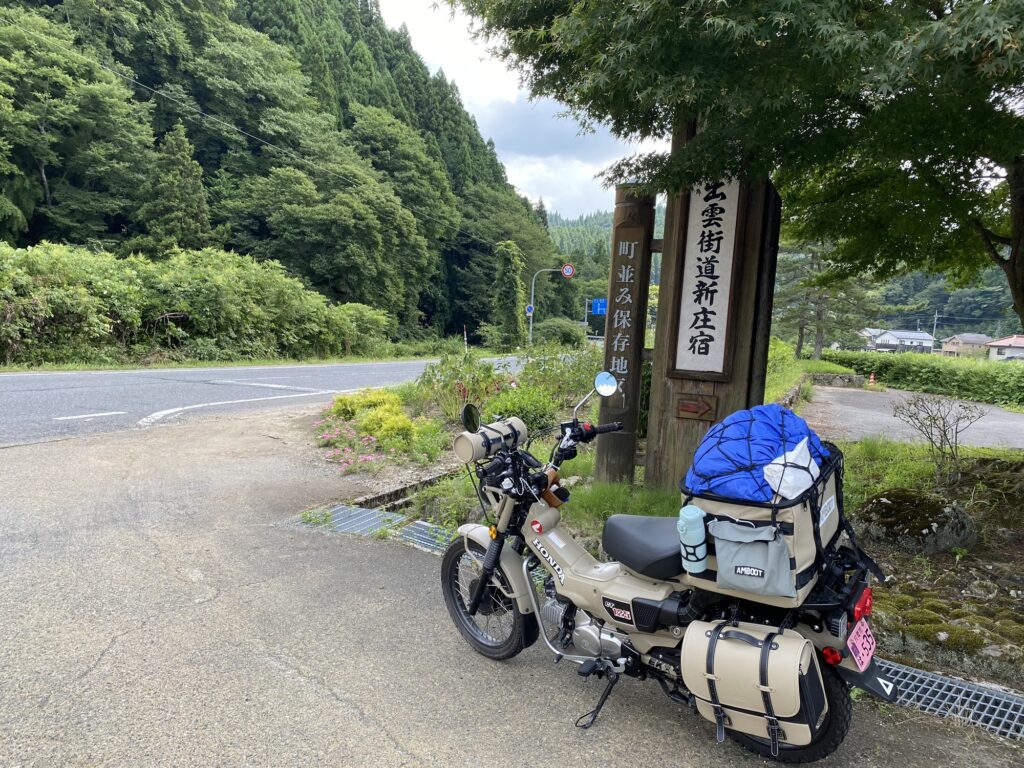
Today I plan to leave the coast and return to Shiso City via Tatsuno City, traveling along the Izumo Kido. (Izumo Roadway)
The “Izumo Kaido” was used as a route for the sankin-kotai system during the Edo period.
The Izumo Kaido was an ancient roadway primarily starting from Himeji in Harima Province (Himeji City, Hyogo Prefecture) and finishing at Matsue in Izumo Province (Matsue City, Shimane Prefecture).
Sankin-kotai was a system during the Edo period that required daimyo from each domain to take turns serving in Edo.
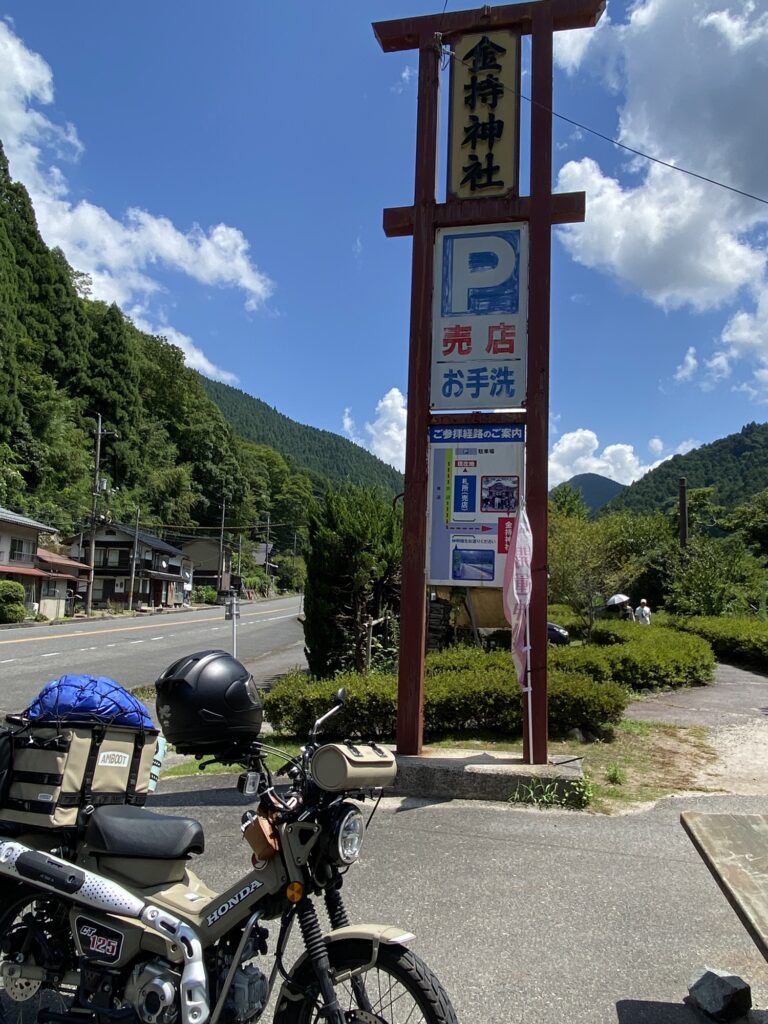
Wow, I stumbled upon a “Kamochi (written as kanemochi,‘rich man’s’) Shrine.”
I couldn’t resist stopping by because a catchy name of shrine.
The Kamochi Shrine is a famous draw for people coming to pray for good luck, and stories abound of business breakthroughs and lottery winnings after praying here.
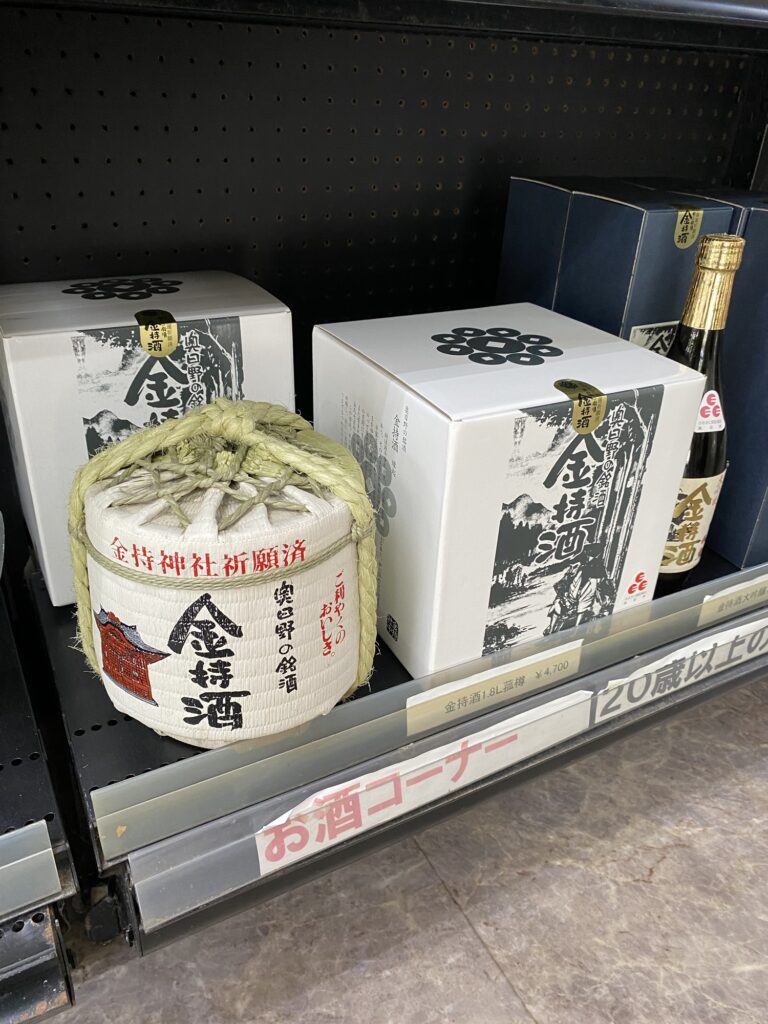
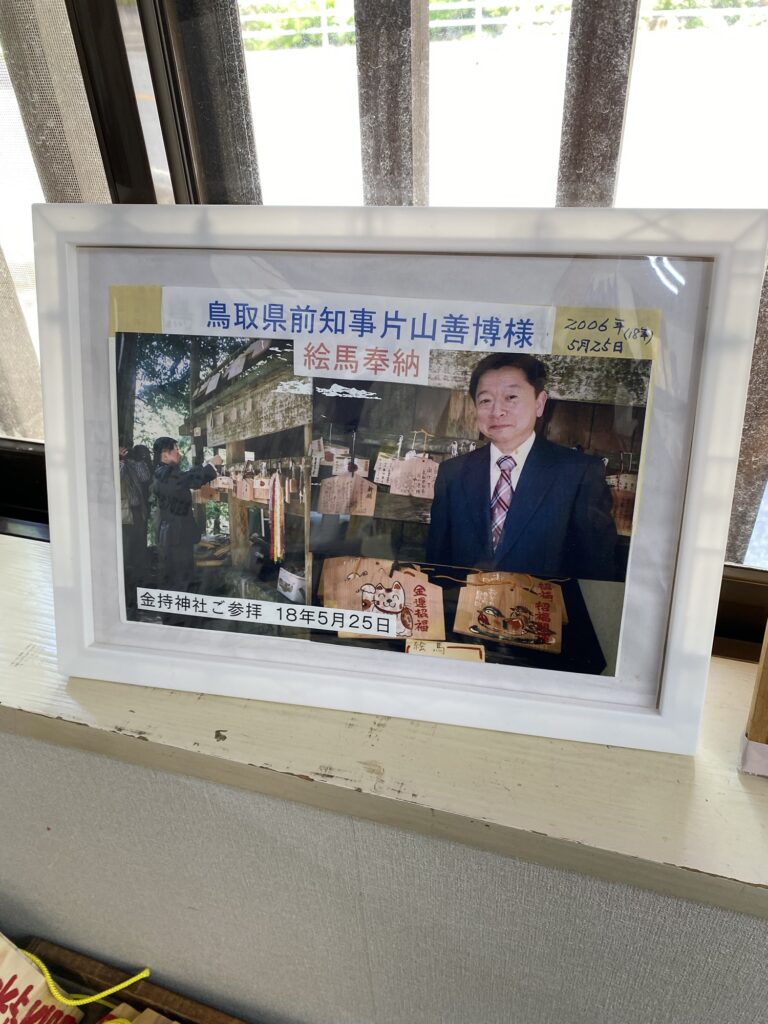
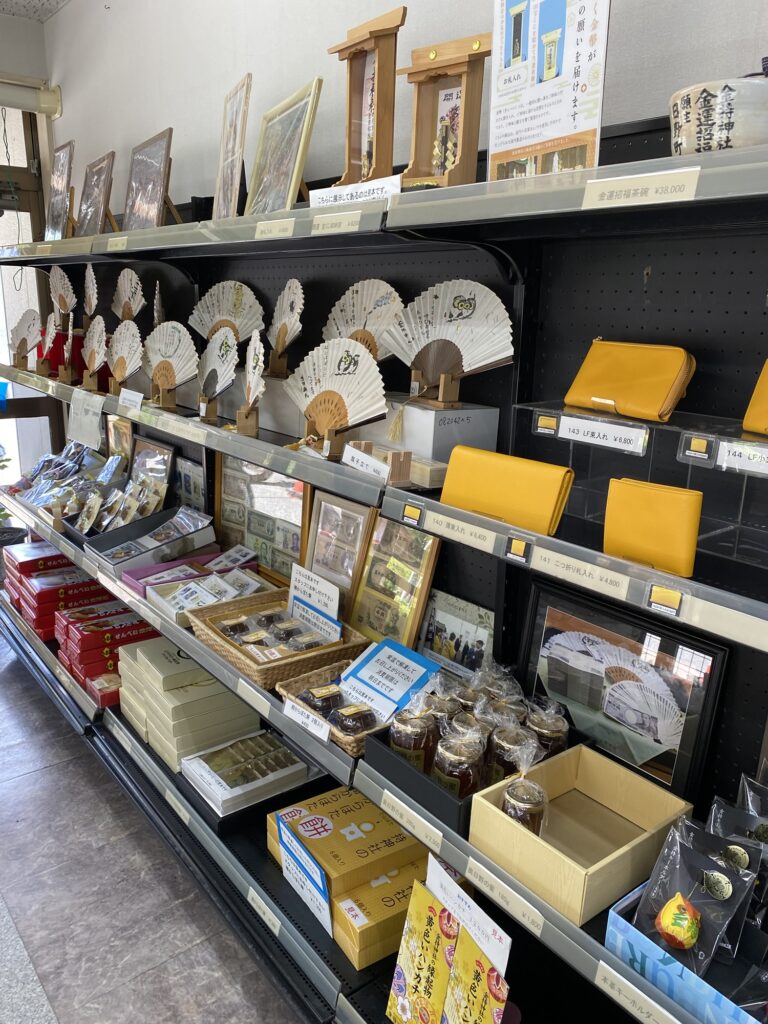
The shop in front of the shrine has items that seem likely to bring wealth, and it has the feel of a small kiosk.
Did this shrine fall for former Governor Katayama scheme, made famous by his famous quote, “We don’t have Starbucks, but we do have a sandbox (sand dune)”?
But the shrine is actually real—it’s the only one in the entire country with the auspicious name “Kanemochi.”
This is because iron was mined in this area long ago.
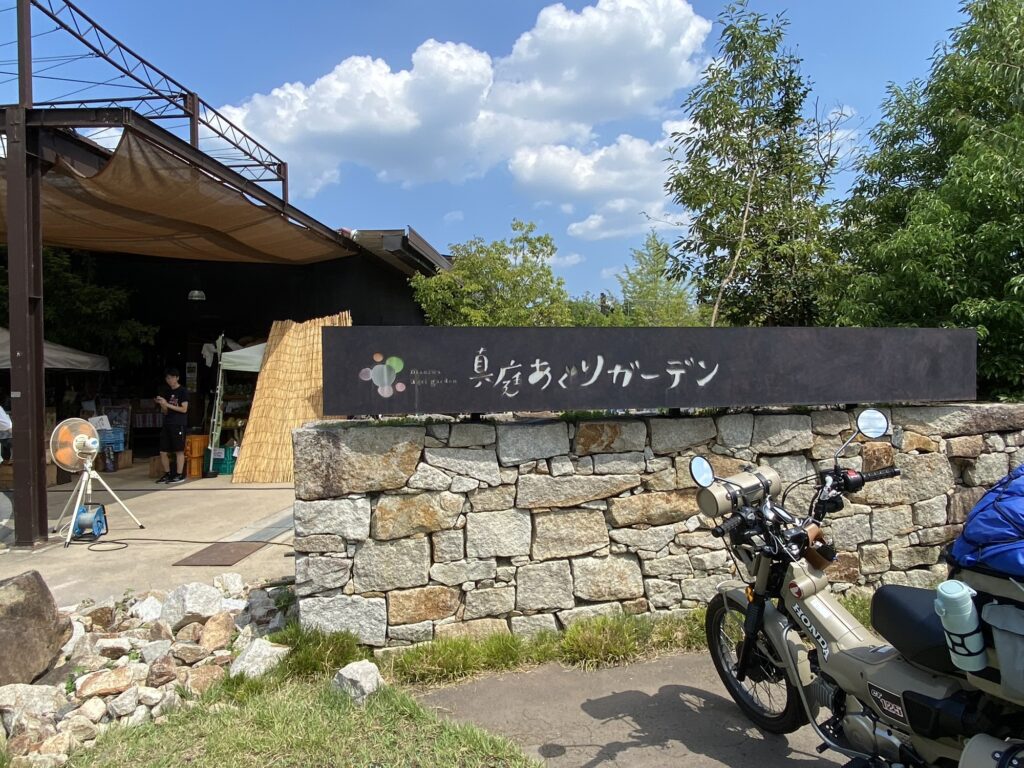
I got to Maniwa City. Maniwa Agri Garden, where you can enjoy delicious local vegetables.
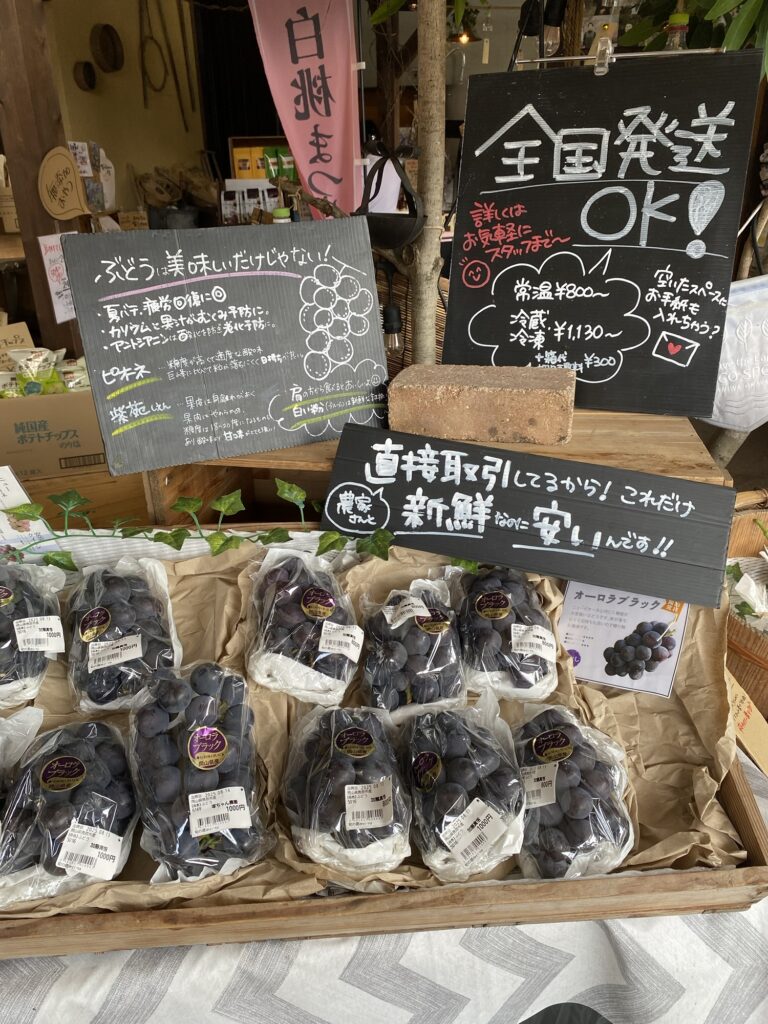
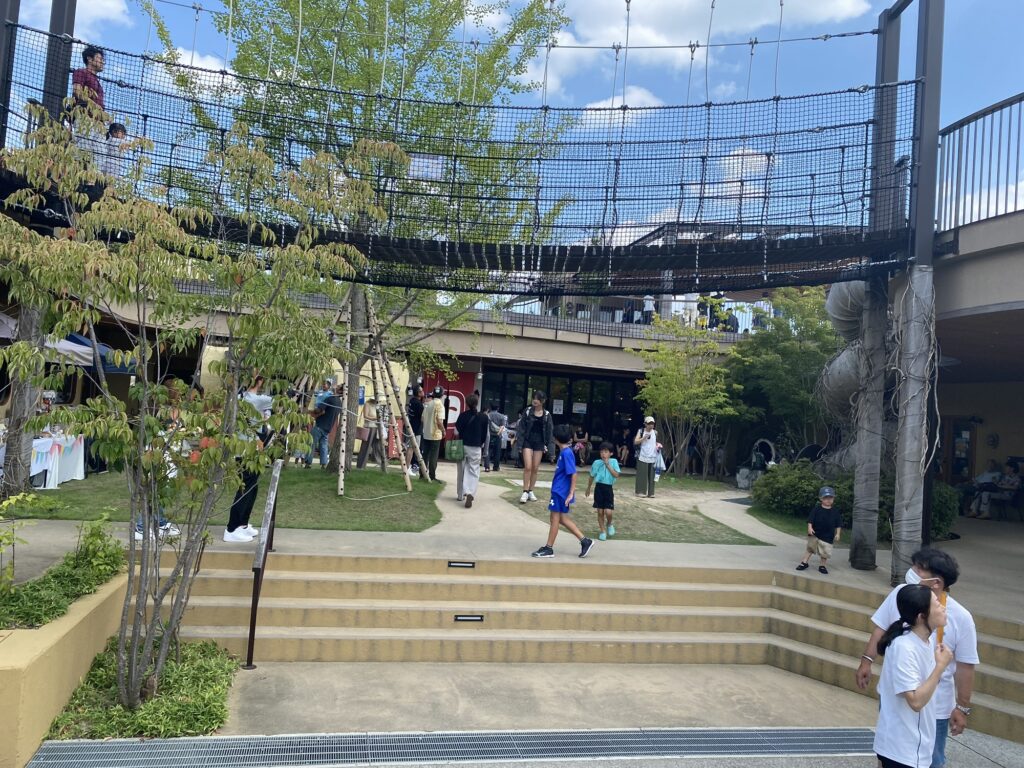
It was bustling with many children because it was the time of Bon holidays.
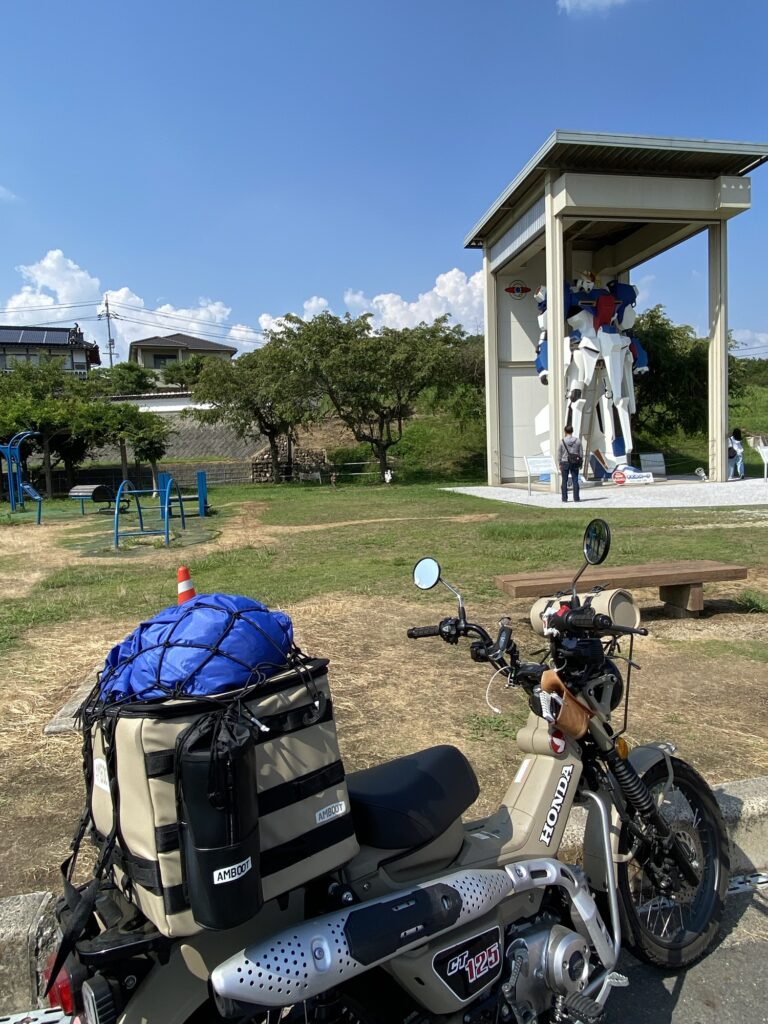
Why! Gundam?
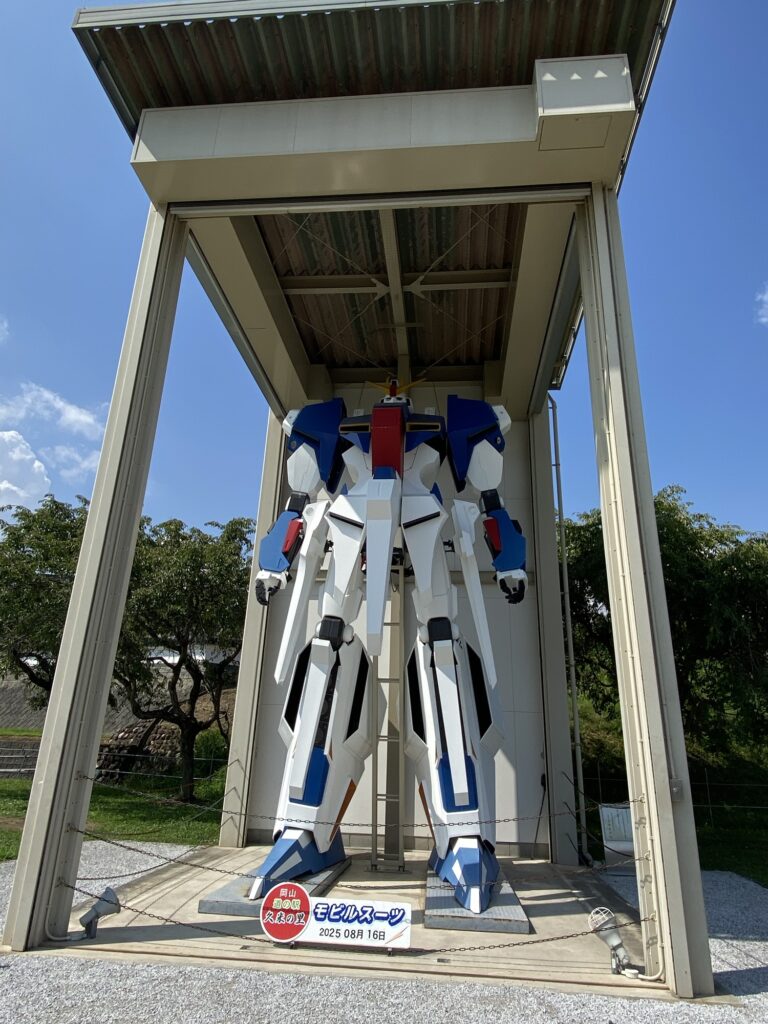
This is located at Tsuyama City’s “ Michi-no-Eki Kume no Sato.”
This masterpiece took a local resident seven years to create. I can’t help but stop by.
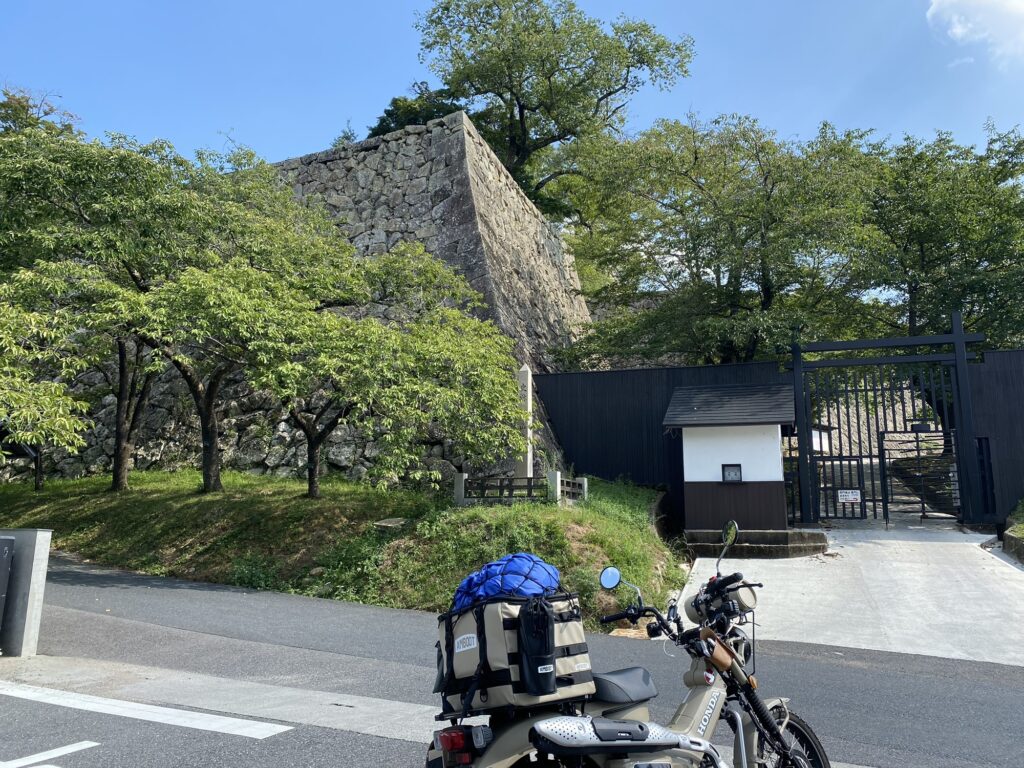
As the final destination of this journey, I chose the ruins of Tsuyama Castle. The massive stone walls are probably equal in scale to Himeji Castle.
The city of Shiso, where our factory is located, was once called Harima Province.
The local chronicle of this region is the “Harima Fudoki,” and Sanin region that was the destination of this journey is the “Izumo Fudoki”.
Only five Fudoki remain today. I’ve completed two regions of the journeys from those precious five Fudoki on my Hunter Cub.
The Harima Fudoki also mentions the gods of Izumo. It describes metal manufacturing, tatara stories, and famous sites throughout the region.
The heat was unbearable, but when I rode the Hunter and felt the wind, that comfort was an unparalleled moment of bliss.
This journey was also filled with many experiences, becoming a deeply memorable chapter for me.
Thank you for accompanying me to the very end.
I wish you all continued good health and well-being.